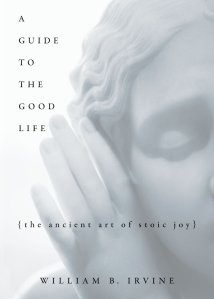
by William Irvine
9/10
Key Ideas:
Accept things that are outside of your control and focus on what you can do.
The easiest way to gain happiness is to want the things you already have.
Think about how you would feel if you lost your material possessions, abilities, including speak, hear, walk, breathe, and swallow; your freedom.
We should live as if this very moment were our last.
Other interesting notes:
Find a life purpose – Of the things in life you might pursue, which is the thing you believe to be most valuable?
Pay attention to your enemies, for they are the first to discover your mistakes.
A Stoic sage is free from vanity. He is indifferent to good or evil report. He never feels grief, since grief is an irrational contraction of the soul.
Tranquility – Less anxiety, grief, and fear; abundance of joy; Use your reasoning ability to drive away all that excites or affrights you.
Shrug off all insults and slights. Also shrug off any praise. Stop blaming, censuring, and praising others. Stop boasting about ourselves and how much we know. Blame yourself, not external circumstances, when your desires are thwarted.
When irritated by someone’s shortcomings, pause to reflect on your own shortcomings.
If you are going to publish, you must be willing to tolerate criticism.
Counter insults with humor or with no response.
Take care not to “catch” the grief of others.
Thoughts on the book:
Great summary of stoic philosophy. Even though the source material is actually very readable, I’m a fan of summaries.
Longer summary/notes: Sivers, SD, PM
If you like this, you’ll probably like: The way to love, Navalmanack, books
 Leo :)